DIY Home Theater Installation: What You Need to Know


Planning Your Home Theater
Creating a DIY home theater can be an exciting project that transforms your space into a personal entertainment hub. Before diving into the technical aspects, it's crucial to plan your space. Consider the room size, layout, and seating arrangement. The goal is to ensure that everyone has a clear view of the screen and immersive sound.
Think about the type of theater experience you want to create. Are you looking for a cinema-like atmosphere, or is a cozy setup more your style? Your vision will guide your choices in equipment and design.
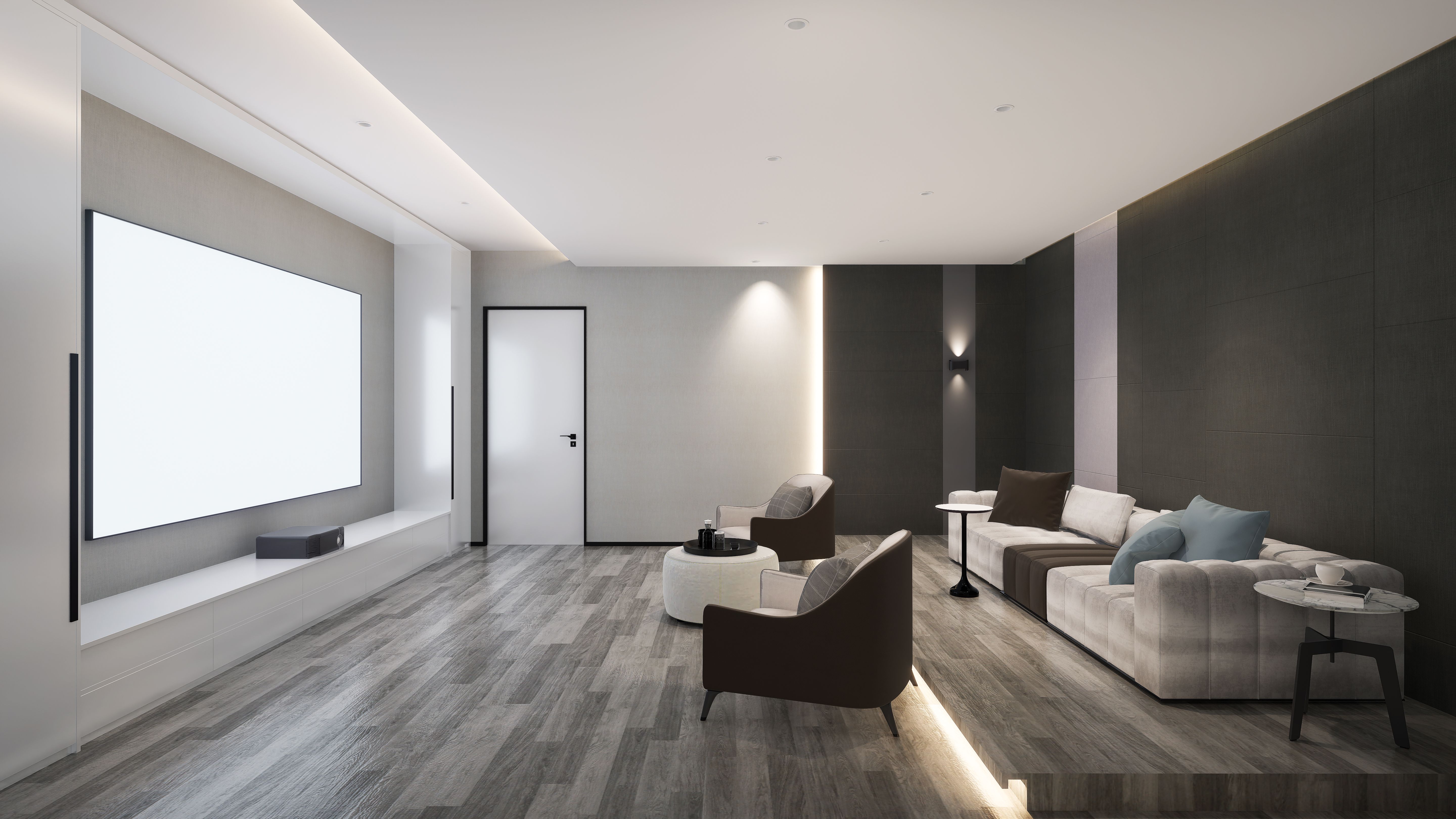
Essential Equipment
Once you have a vision, it’s time to gather the essential equipment. Here’s a list of what you’ll typically need:
- Projector or TV: Choose based on your room size and budget.
- Sound System: A surround sound system will enhance the audio experience.
- Screen: If using a projector, invest in a good quality screen.
- Seating: Comfortable seating is essential for long movie sessions.
Research different brands and models to find the best fit for your needs. Reviews and expert opinions can be very helpful in making informed decisions.
Installation Tips
With your equipment ready, the next step is installation. Here are some tips to help you set up your home theater effectively:
Projector and Screen Setup
Position your projector and screen for optimal viewing. The projector should be aligned with the center of the screen and placed at a distance that fits the screen size. Follow the manufacturer’s instructions for mounting to ensure safety and stability.

Audio Configuration
For a true surround sound experience, position your speakers strategically around the room. Typically, speakers are placed in front, on the sides, and at the back for full coverage. Make sure to calibrate the sound system to balance the audio levels.
Use cable management solutions to keep wires organized and hidden, providing a clean and tidy look.
Enhancing the Experience
To elevate your home theater experience, consider adding ambient lighting. LED strips or dimmable lights can create a cinematic atmosphere. Also, think about soundproofing the room to prevent external noises from disrupting your viewing.

Smart Technology Integration
Integrating smart technology can enhance convenience and control. Use smart remotes or voice-controlled devices to manage your theater setup effortlessly. This integration can make it easy to switch between streaming services, adjust volume, and control lighting.
By following these guidelines, you can create a DIY home theater that offers a fantastic viewing experience, tailored to your preferences and space.