Exploring the Latest Trends in Smart Homes and Theaters


The Rise of Smart Homes
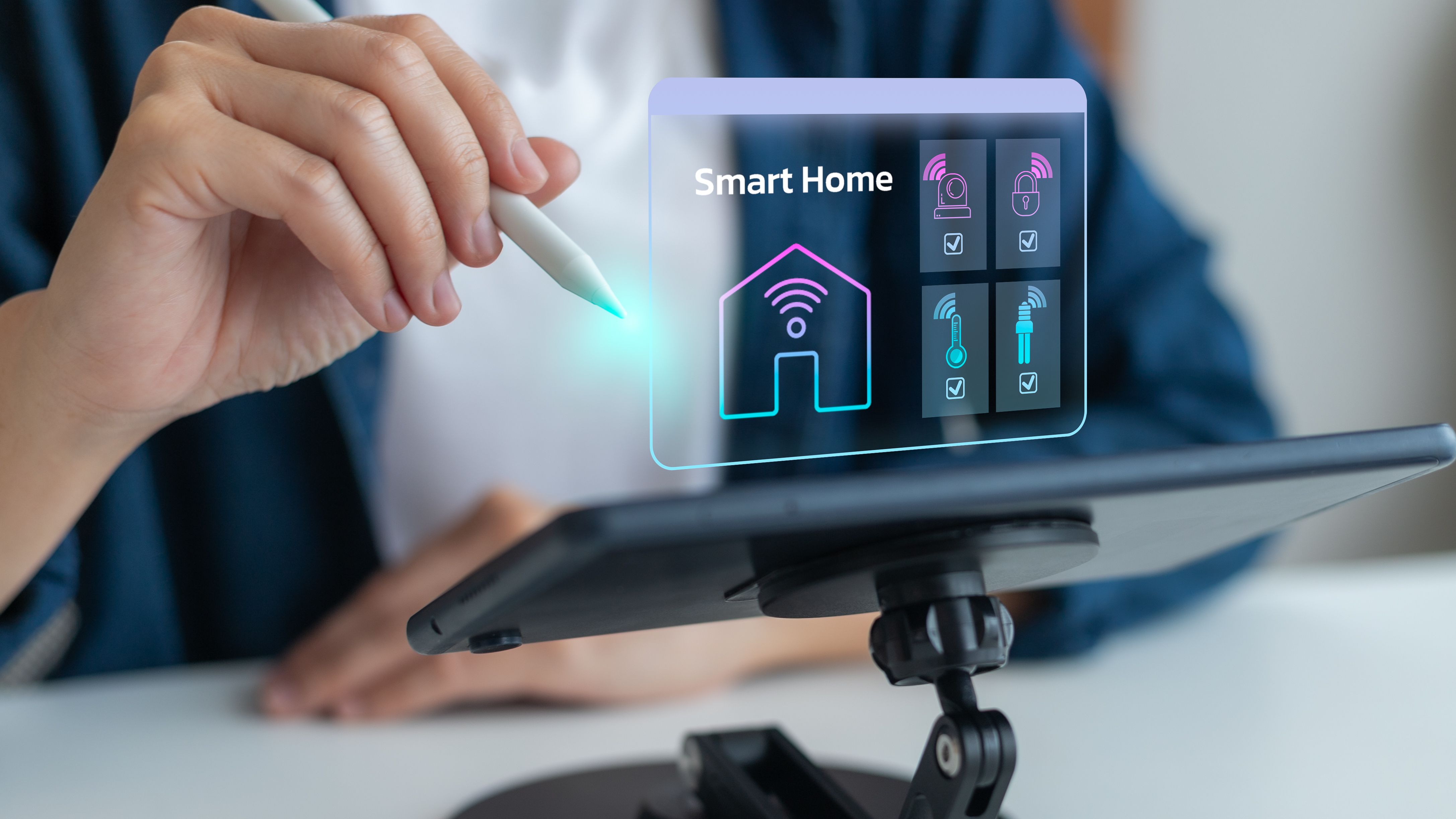
The concept of smart homes has evolved significantly over the past few years. With advancements in technology, homeowners are now able to control and monitor various aspects of their living spaces remotely. From lighting and climate control to security systems, smart home devices are making life more convenient and efficient. The integration of these technologies is not just about luxury; it's about creating a seamless and connected living environment.
One of the most popular trends in smart homes is the use of voice-activated assistants. Devices like Amazon Alexa and Google Home have become staples in many households, allowing users to control smart devices with simple voice commands. This hands-free functionality is particularly appealing to those who value convenience and accessibility.
Energy Efficiency and Sustainability
Another crucial trend in smart homes is the focus on energy efficiency and sustainability. Smart thermostats, such as the Nest Learning Thermostat, learn a user's schedule and preferences to optimize heating and cooling, leading to reduced energy consumption. Similarly, smart lighting systems can automatically adjust brightness based on natural light availability, further conserving energy.
Many homeowners are also exploring solar energy options, integrating solar panels with smart home systems to monitor and manage energy use more effectively. The push towards sustainable living is a significant driver in the adoption of smart home technologies, with environmental benefits aligning well with cost savings.

Innovations in Home Theaters
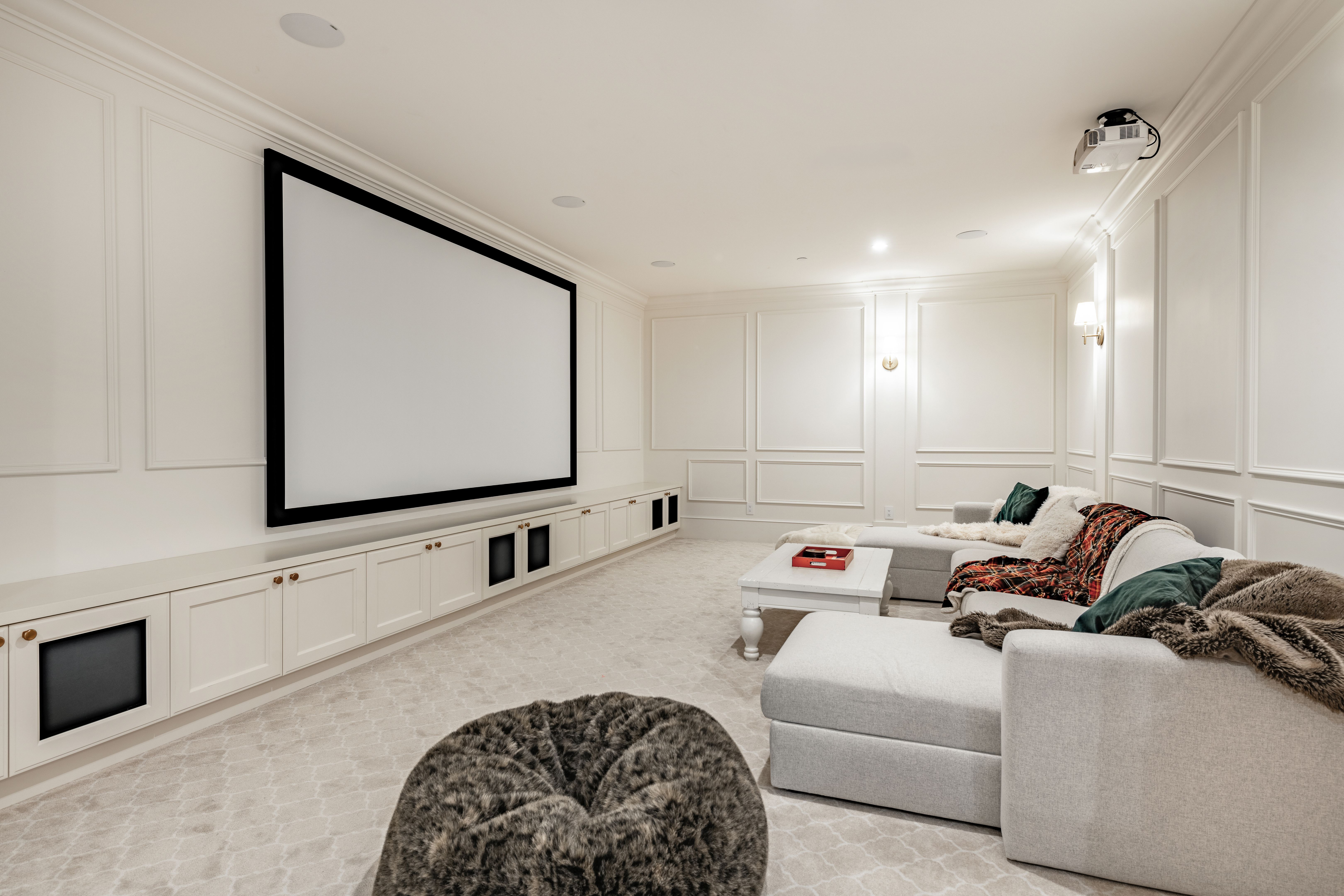
Smart technology is not limited to just home management; it has also revolutionized home entertainment. The latest trend in home theaters is the incorporation of advanced audio and visual technologies that create an immersive experience. High-definition projectors and surround sound systems are more accessible than ever, allowing homeowners to enjoy a cinematic experience without leaving their homes.
Smart TVs have also played a significant role in transforming home theaters. With built-in streaming services and voice controls, these devices offer a wide range of entertainment options at the user's fingertips. This level of integration allows for a personalized viewing experience that caters to individual preferences.
Connectivity and Integration
The backbone of any smart home or theater system is connectivity. The ability to integrate various devices and systems is essential for achieving a truly smart living environment. Platforms like Apple HomeKit and Samsung SmartThings provide users with the tools to connect different smart devices, creating a unified control system.
As the Internet of Things (IoT) continues to grow, the potential for connectivity in smart homes and theaters expands. This interconnectedness allows for more innovative solutions, such as automated routines that adjust settings based on time of day or user behavior. The result is a more intuitive and responsive living space.

The Future of Smart Living
Looking ahead, the future of smart homes and theaters promises even more exciting developments. Artificial intelligence and machine learning are set to play a significant role in enhancing the functionality and personalization of smart systems. These technologies will enable devices to learn from user interactions, offering more tailored and efficient solutions.
Furthermore, as technology continues to advance, accessibility and affordability will likely improve, making smart home features more available to a broader audience. The combination of convenience, efficiency, and personalization makes smart living an attractive option for many.
Ultimately, the trend towards smart homes and theaters reflects a broader shift towards connected living. As these technologies become more ingrained in our daily lives, they will continue to transform the way we interact with our homes, making them more adaptable and responsive to our needs.